The summer months can be an uplifting time, as the sun is making a regular appearance and events such as regional marathons reflect inspiring stories of people’s generosity and capabilities all around us, it’s no wonder we feel more motivated to get outside, soak up some vitamin D and do something fulfilling.
Running is often seen as a popular way to stay active during this time, but it may not always be the best option if you have pre-existing joint problems, arthritic conditions, or are more prone to injury.
In these cases, low-impact and alternative forms of exercise can be a great way to stay active without placing excessive strain on the joints. It’s increasingly recognised that the type of exercise you do, can make a significant difference to how your joints feel and function.
Why targeted physiotherapy makes a difference
While general exercise is beneficial, many people with joint issues gain the most benefit from a more targeted, physiotherapy-led approach.
Accessing local physiotherapy support means your exercises can be tailored to your specific condition, lifestyle, and goals. A physiotherapist can assess how your body is moving and identify areas of weakness, stiffness, or imbalance.
From there, they can recommend specific exercises designed to:
- Strengthen the muscles that support the joint
- Improve mobility and flexibility
- Reduce unnecessary strain through better movement patterns
This is particularly important for people looking for physiotherapy for arthritis, where joint protection and targeted strengthening play a key role in managing symptoms effectively.
Alternative exercises to try
We’ve highlighted some more gentle forms of exercise as an alternative if you’re feeling motivated to try something new.
Circuit training
Circuit training is a great way of improving your cardiac health, strength and flexibility. It usually involves different ‘stations’ or set-ups for different types of activity, so that you gradually move from one to another in short intervals and spend a set amount of time on each exercise. This could include gentle weight activity, core body exercises and cardio workouts.
One of the key benefits of circuit training is that it can be easily adapted to suit different levels of ability. With the right guidance from a physiotherapist, exercises can also be modified to reduce joint strain and focus on controlled, supportive movements.
Balance, flexibility and stability exercises
If you’re keen to improve your overall strength and balance to support a better sense of independence in life, balance and flexibility classes can be an empowering choice.
These classes are ideal if you are slightly older, have experienced a fall, or feel worried about falling. They can help improve core strength, posture and coordination.
If you have previously suffered an injury to your lower limbs or experience weakness following surgery or other conditions, lower limb stability classes can help rebuild strength and confidence in a safe and supportive environment.
These types of exercises are often used within post knee replacement physiotherapy programmes, where rebuilding strength and stability is essential for recovery.
Modified Pilates
Pilates can be an incredibly fulfilling form of exercise, although traditional classes can be physically demanding and not always suitable for all abilities.
Modified Pilates classes allow those with injuries, chronic pain or other conditions to exercise at a gentler pace. They focus on strengthening deep abdominal muscles, improving flexibility, posture and balance, and are commonly recommended as part of a structured rehabilitation approach.
When to consider physiotherapy for joint pain
While these types of exercise can be highly beneficial, there are times when additional support may be helpful.
You may benefit from physiotherapy if:
- Your pain persists or worsens
- You experience stiffness or reduced movement
- A joint feels weak or unstable
- You are recovering from or preparing for surgery
- Exercise alone is not improving your symptoms
Working with a local physiotherapist ensures your care is personalised, structured, and responsive to your progress.
From exercise to long-term joint health
Exercise is not only about staying active, it can also form an important part of rehabilitation and long-term joint care.
Modern physiotherapy approaches often combine:
- Education about your condition
- Targeted strengthening and mobility exercises
- Practical advice for managing symptoms day-to-day
This is particularly valuable for individuals managing long-term conditions or recovering from surgery, and is a key part of delivering the best physiotherapy outcomes.
Supporting your health and wellbeing
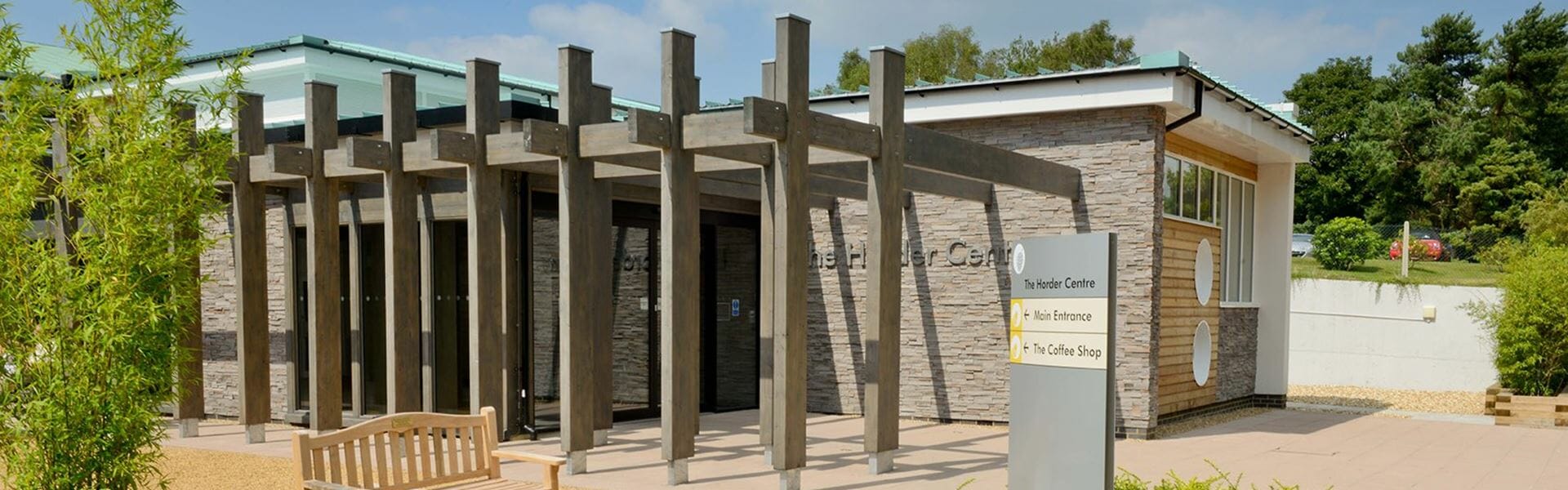
At Horder Healthcare, we are passionate about ensuring that your health, fitness and wellbeing are cared for as one.
Our physiotherapy team and trained rehabilitators deliver a range of exercise classes designed to support people with joint conditions, whether you are managing symptoms or recovering from treatment.
If you are looking for the best physiotherapy support, a personalised exercise programme can help you achieve the best possible outcomes.
You can use our online booking system or get in touch with us to find out more.
Conclusion
Alternative and low-impact exercises remain an excellent way to stay active with joint issues. However, a more targeted approach can often deliver greater benefits.
Physiotherapy-led exercise programmes ensure that you are not only keeping active, but also strengthening and supporting your joints in the most effective way, helping you move more comfortably and confidently in the long term.
Below we answer some of your frequently asked questions -
What makes Horder Healthcare unique
Horder Healthcare is committed to providing the very best quality of care for our patients and customers. We are continuously working on improving and reducing risks and this is reflected in our consistently high CQC results, patient satisfaction questionnaires and minimal levels of infection.


We are a charity
We reinvest our profit to benefit more people and help us achieve our aim of advancing health.