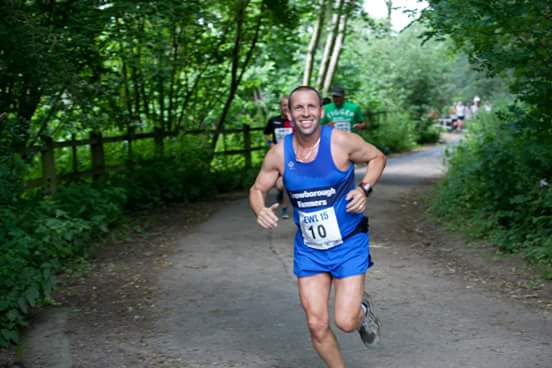
An ACL injury can raise many questions about knee stability, treatment and recovery.
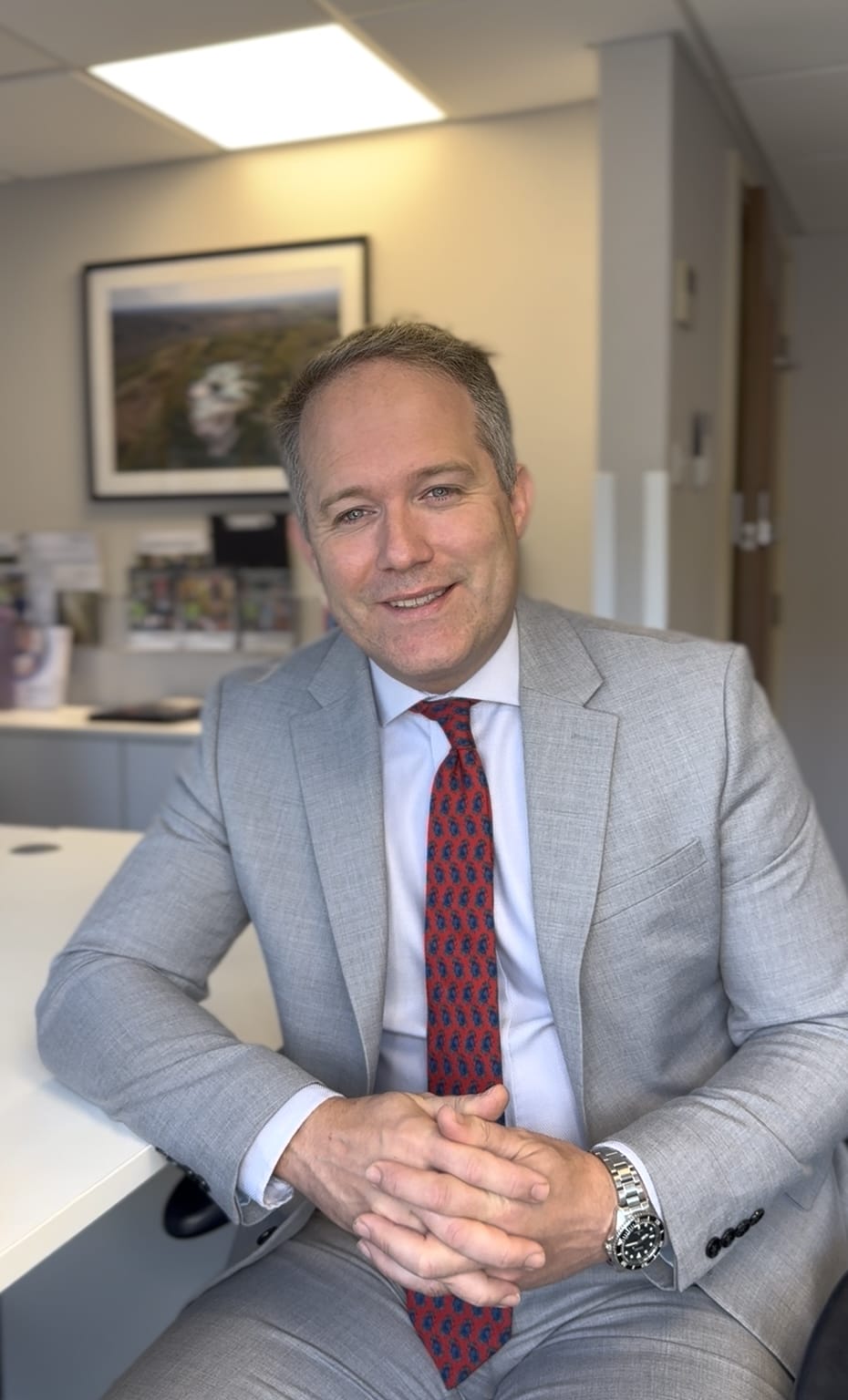
In this video, our Consultant Orthopaedic Surgeon, Mr Andrew Armitage, answers three common questions about ACL injuries, including what causes instability, whether delaying ACL surgery can affect outcomes, and what patients should expect from rehabilitation following ACL reconstruction.
Watch the full Q&A to understand more about ACL treatment, recovery timelines and when surgery may be recommended.
Covered in this video:
- What actually makes a knee unstable after an ACL injury?
- Does delaying ACL surgery make outcomes worse?
- What do people underestimate most about ACL rehabilitation?

Book a consultation with The Horder Centre
If you are experiencing significant knee pain and want to discover the treatment options available to you, book a consultation with The Horder Centre. Our team is on hand to support you through the treatment process, from your initial consultation to any aftercare you may need.
Transcript
Q1. What actually makes a knee unstable after an ACL injury?
The majority of patients I see injure their cruciate ligament during a twisting manoeuvre with a planted foot, be that playing football, rugby, tennis or skiing. Generally speaking, the younger you are and the sportier you are and the more you want to return to a twisting turning activity, the more you need a functional cruciate ligament and therefore the majority of young patients we do end up reconstructing their cruciate ligament. In the older age group, often the musculature and soft tissues around the knee with rehabilitation can help stabilise the knee. So, as one gets more grown up, the indications for cruciate ligament surgery, again, are instability, but a group of these patients do get away without needing surgery and return to their activities with rehabilitation.
Q2. Does delaying ACL surgery make outcomes worse?
Normally following the initial injury, the knee actually recovers quite well over a period of time, but then the key is instability. As long as the knee is not collapsing and giving way, you are not doing secondary damage to the knee and therefore delaying surgery does not affect the outcome.
The downside of delaying surgery is that if your knee is repeatedly collapsing and giving way, you are potentially doing secondary damage to the menisci, which are the washers on the inside and the outside of the knee, or to the actual articular surface, and this then can increase your risk of arthritic change in later life and also alter the outcomes of any potential surgery within the knee.
Q3. What do people underestimate most about ACL rehabilitation?
Following crucial ligament reconstruction, there are lots of different ways of rehabilitating patients and this will depend on the individual surgeon's preference, the type of graft used, the fixation of the graft and any other pathology that's been found within the knee. So, there are lots of different programmes for how you rehabilitate a patient post cruciate ligament surgery.
From my point of view, the hardest thing for the majority of my patients is the first six weeks where they are hobbling on crutches, partial weight bearing, bending the knee from zero to ninety degrees and not driving. This has the biggest impact on their day stay activities and potentially their ability to work. The second six week block is in general getting back to normal walking. At three months, we bring in cycling and swimming, four months jogging, and it's nine to twelve months before a return to twisting, turning contact sport. And the reason for that is that for the first three months, the graft is actually getting weaker inside the knee until it's become part of the knee, developed a blood supply and becomes alive again. And also, there's a slightly lower re-rupture rate if you can avoid contact sports for twelve months as opposed to nine months.
We provide outstanding patient experiences
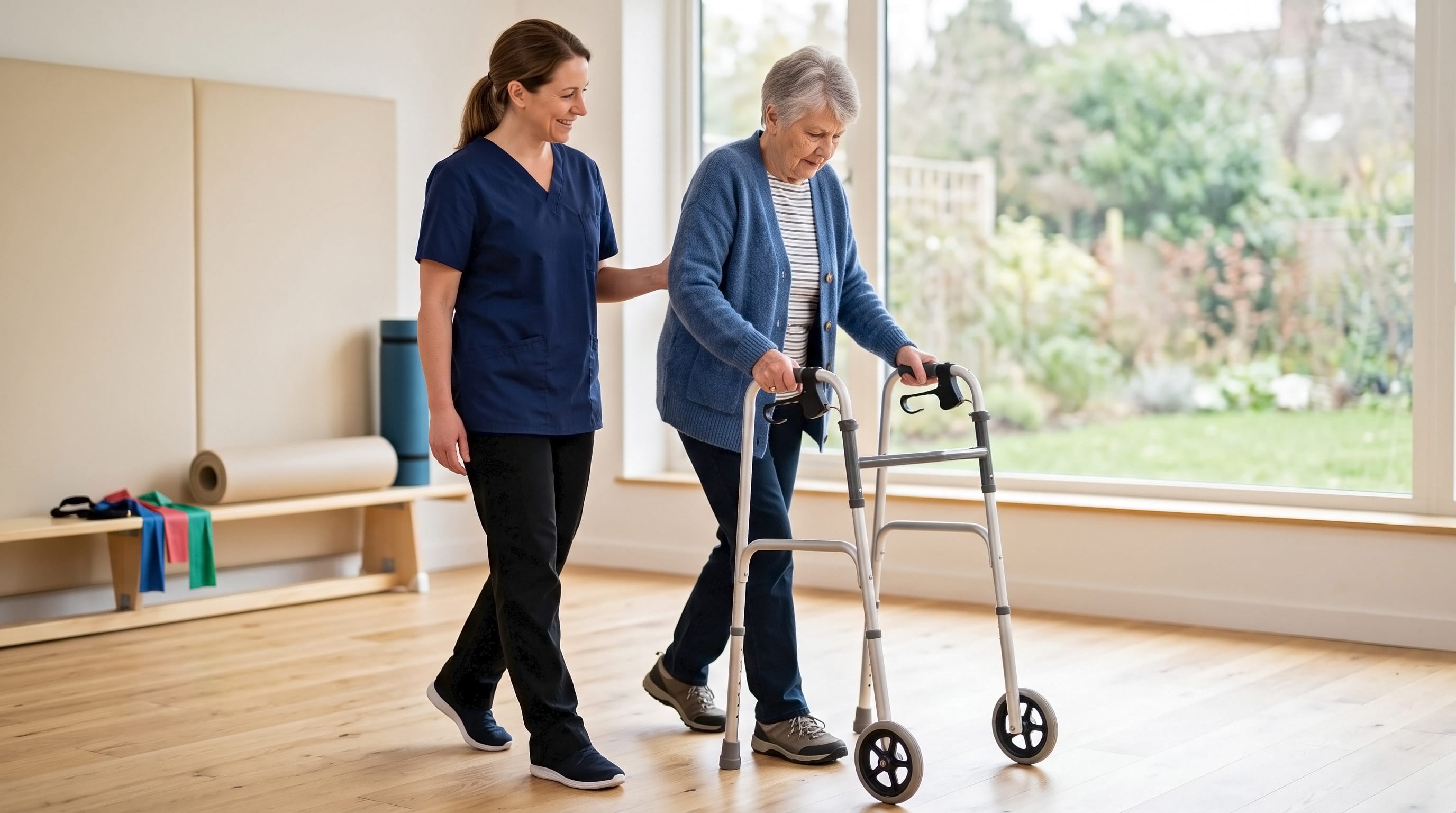
The Horder Centre is an award-winning Centre of Excellence that offers patients a unique therapeutic environment. Specifically designed for orthopaedic surgery, our facilities include a physiotherapy inpatient gym and courtyard gardens designed by clinical experts to enhance recovery. Finance options available.
Read our patient testimonials
Find out what it’s like to be a patient, from the people who matter the most.